
The property management industry is evolving as technology changes how properties are marketed, maintained, and managed. Traditional methods that rely on spreadsheets, paperwork, phone calls, and manual follow-ups are gradually giving way to digital solutions that make property management more efficient and transparent.
“The future of property management lies in combining smart technology with human understanding to create more efficient, connected, and trusted property experiences.”
– Property Global

From automated rent collection to AI-powered tenant communication, digital tools are helping property managers handle daily operations with greater accuracy. As property portfolios grow and tenant expectations increase, adopting the right technology will become increasingly important for long-term success.
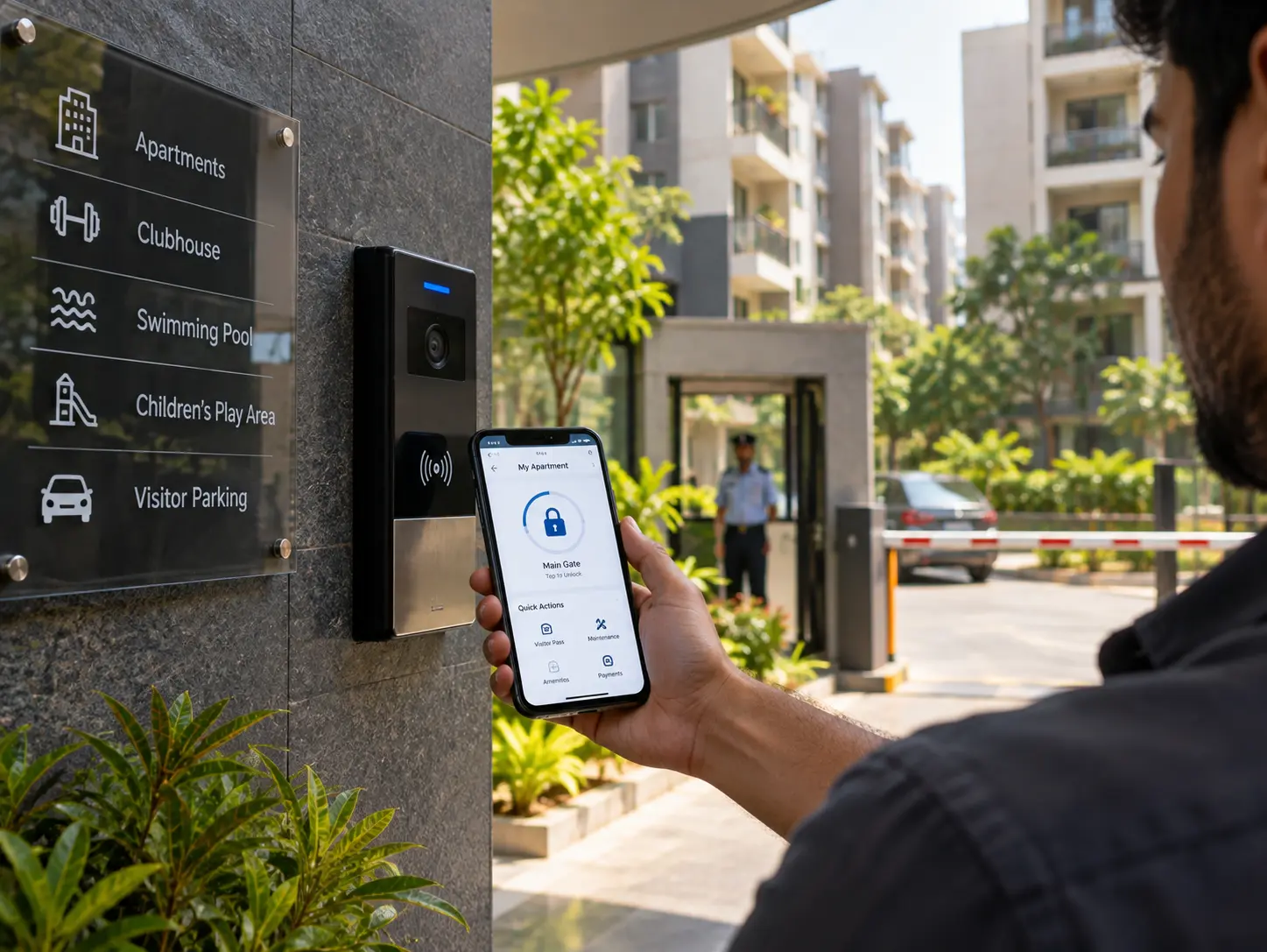
1. Automation of Routine Tasks
Automation is becoming an important part of modern property management. Tasks such as rent reminders, lease renewal notifications, maintenance follow-ups, and payment confirmations can be automated to reduce repetitive work.
Instead of manually tracking every deadline, property managers can use digital systems to receive reminders and trigger notifications automatically. This allows them to spend less time on administrative activities and more time improving tenant relationships and property performance.
2. Artificial Intelligence for Smarter Decisions
Artificial intelligence is opening new possibilities for property management. AI-powered tools can help analyse maintenance patterns, identify potential operational issues, and support property-related decision-making.
For example, analysing maintenance records may help managers identify recurring problems in a building. Similarly, data analysis can help them understand tenant preferences, evaluate expenses, and plan maintenance more effectively.
3. Better Tenant Experiences Through Digital Platforms
Today’s tenants increasingly expect quick responses, convenient payment options, and easy access to important information.
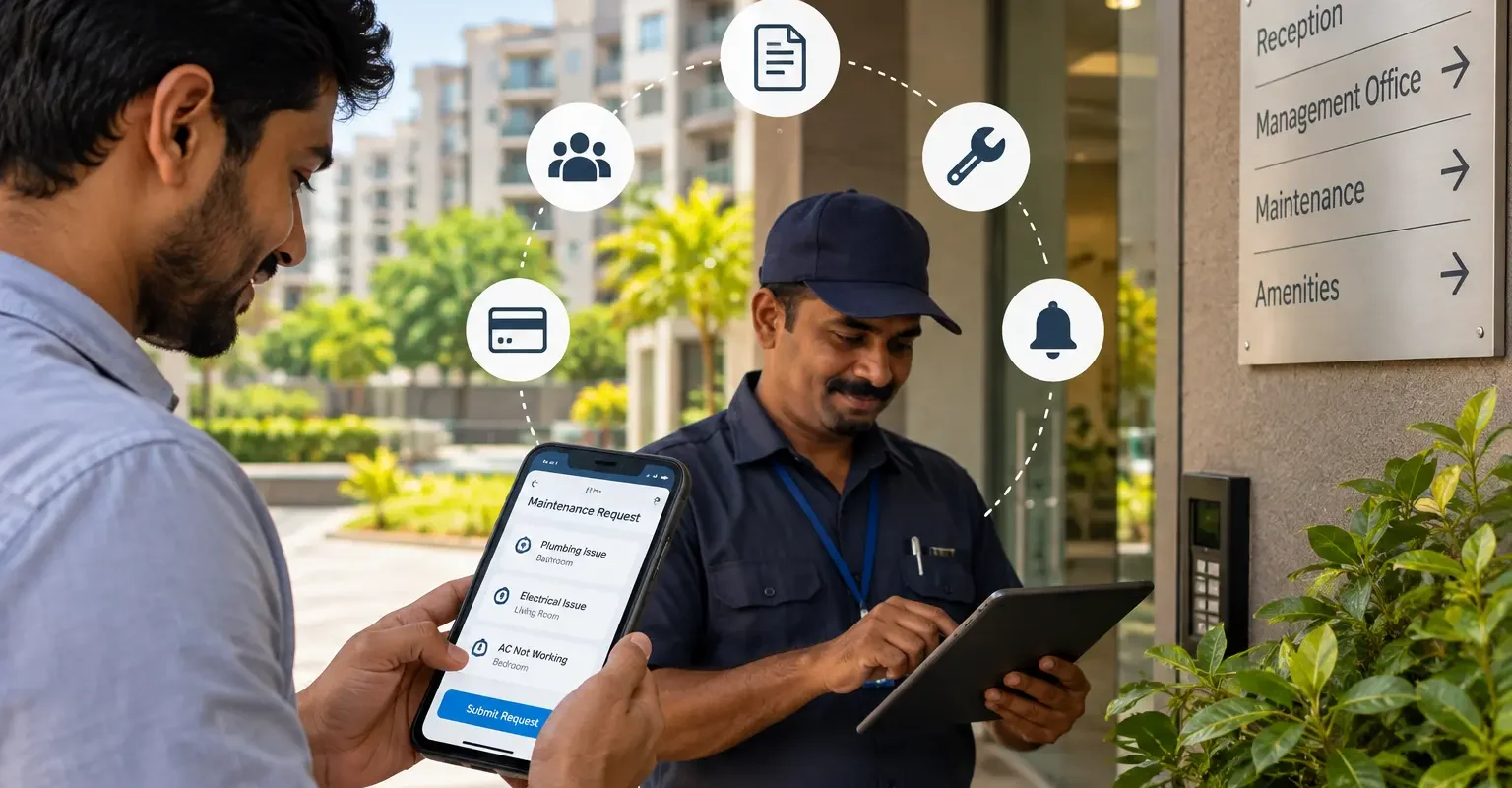
Digital tenant portals and communication platforms can make these interactions simpler. Tenants may be able to submit maintenance requests, check payment records, receive updates, and access relevant documents online.
4. Cloud-Based Property Management
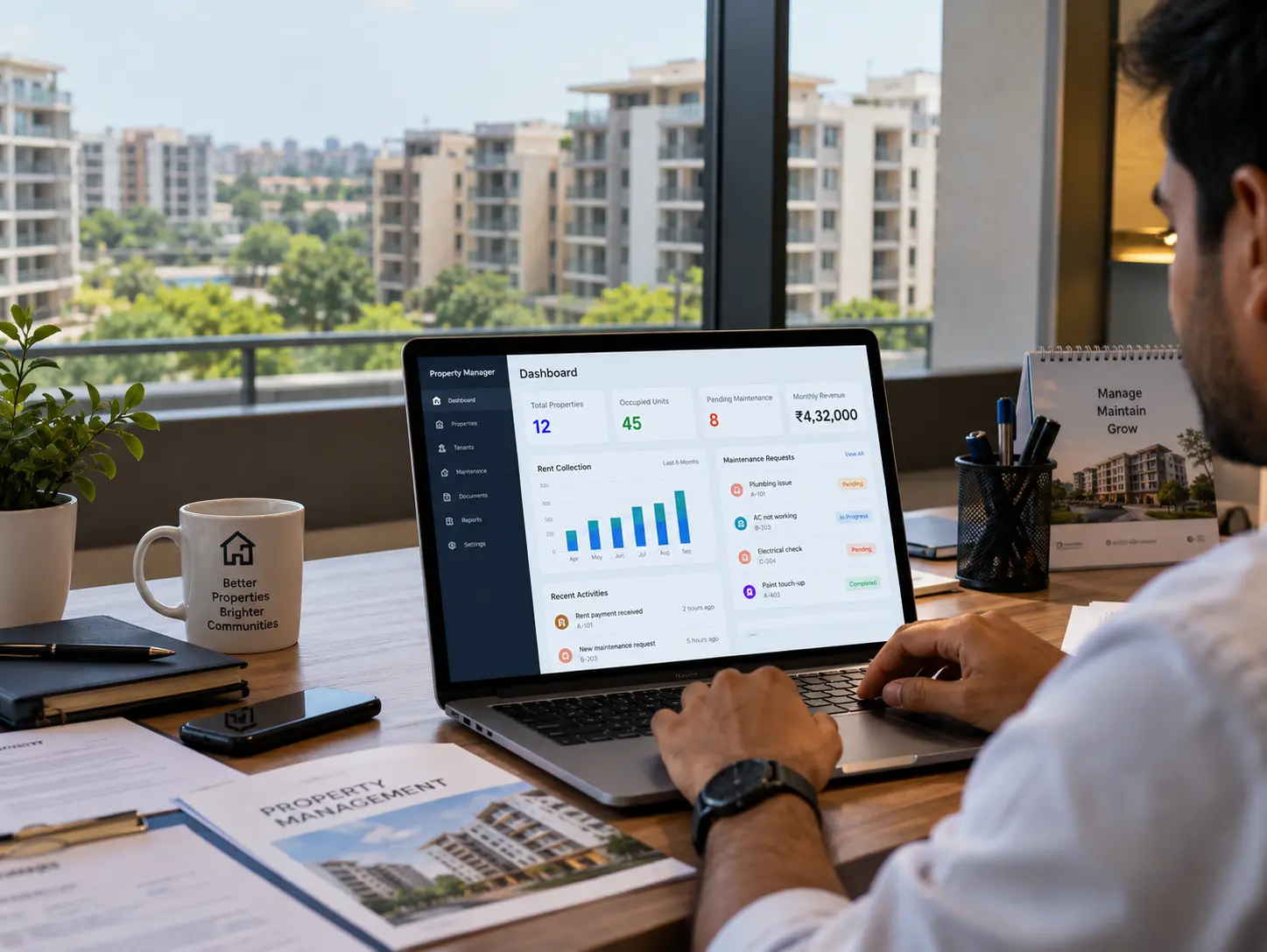
Cloud technology allows property managers to access important information from different locations without depending on a single office computer.
Whether managing residential apartments, commercial spaces, or properties across multiple locations, cloud-based systems can centralise documents, financial records, tenant information, and maintenance updates.
Cloud solutions can also support collaboration among property owners, managers, maintenance teams, and other stakeholders. With appropriate access controls and security measures, they make information easier to manage while supporting flexible working arrangements.
The Growing Importance of Digital Security
As more property-related information moves online, protecting sensitive data becomes essential. Property management systems may contain tenant contact details, financial records, lease agreements, and personal documents.
A digital-first approach must therefore include strong security practices. These may involve multi-factor authentication, role-based access controls, regular software updates, secure backups, and reliable hosting infrastructure.
Challenges in Adopting Digital Property Management
Despite its benefits, digital transformation comes with challenges. Some property managers may be comfortable with traditional processes and reluctant to adopt new systems. Others may find implementation costs, employee training, or migrating existing records difficult.
Selecting tools that integrate well with existing workflows can make the transition easier and more effective.
Conclusion
The future of property management is moving towards smarter, more connected and data-driven operations. Digital tools can reduce manual work, improve communication, strengthen reporting, and help property managers handle growing responsibilities more efficiently.
For property owners and management companies, the key is to adopt technology with a clear purpose. By identifying operational challenges, choosing suitable digital solutions, and prioritising security, businesses can build a more efficient and scalable property management process.
In a digital-first world, modern property management is not just about managing buildings. It is about managing information, relationships, and everyday operations more effectively.